Dielectric Breakdown: What You Need to Know
What is it?
It’s a measure of a liquid’s ability to insulate and withstand voltage stress, protecting active parts from each other.
How is it measured?
Two methods are available:
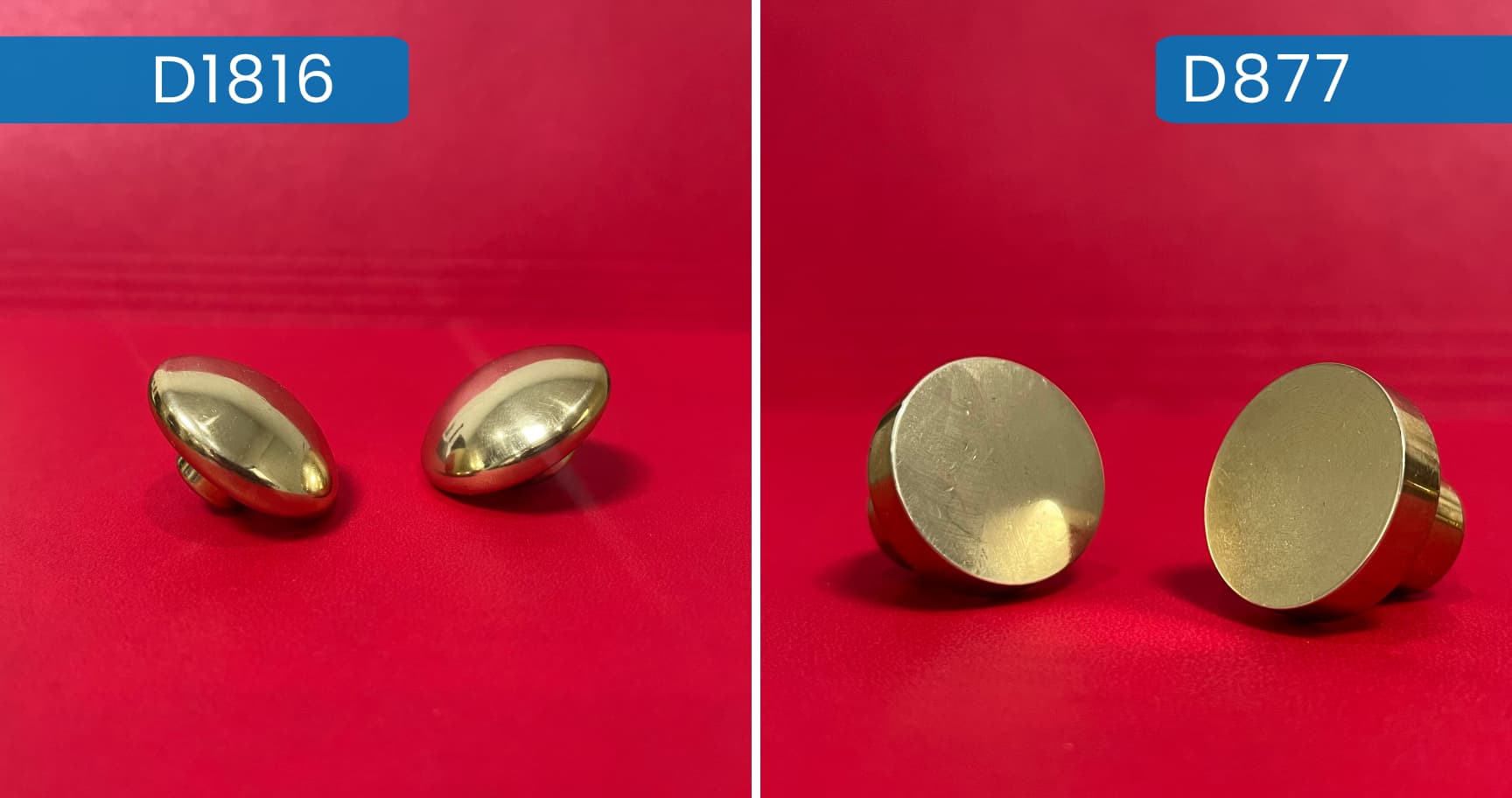
- ASTM D877: Uses flat electrodes (gap: 2.54 mm, no stirring).
- ASTM D1816: Uses VDE electrodes (gap: 1 or 2 mm, stirring required).
|
Which method is better for transformers?
The D1816 method is more representative of electrical equipment components and more sensitive to moisture and particles. Plus, the D877 method is no longer recognized by IEEE for transformers—only for circuit breakers.
Should I use the 1 mm gap or 2 mm gap?
Both are valid, but consistency is key. Stick to one gap size over time for comparable results.
Why is breakdown lower in summer?
Higher temperatures and humidity can impact results. Always rinse and properly seal your sample bottles.
Why do results vary?
Multiple factors can cause fluctuations:
- Moisture
- Contamination
- improper sampling/flushing procedure
Want to improve your results?
We’ve got more insights and resources to help you achieve better results. Contact us today to access exclusive content and personalized guidance from our experts.