Equipment diagnostics
Moisture in Transformer Liquids: What You Need to Know
29 January 2026
-
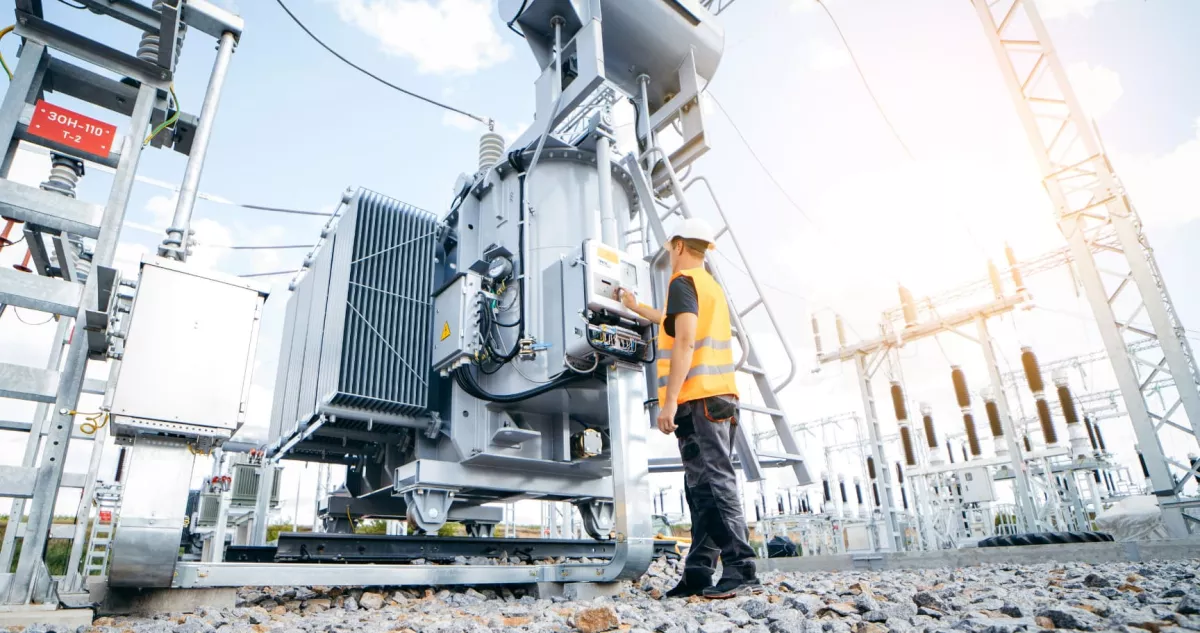
Even small amounts of moisture in transformer liquids can have a big impact. Here's what you need to know to protect your equipment and prevent costly repairs.
What is it?
Moisture content in transformer liquids is the amount of water in a sample on a weight-to-weight basis (mg/kg), also known as parts per million (ppm).
How is it measured?
At AVO Diagnostic Services, we use the Karl Fischer titration method described in ASTM D1533 for precise analysis.
Why does moisture in transformer liquid matter?
Excess moisture can:
- Reduce the dielectric strength of the insulating system
- Accelerate paper aging
- Increase the risk of bubble generation
- Promote free water formation during rapid temperature drops
- Raise the acid content in the liquid
How does moisture get in?
- During manufacturing, commissioning, or repairs
- Through leaks
- As a byproduct of natural aging
Visual inspections can be misleading
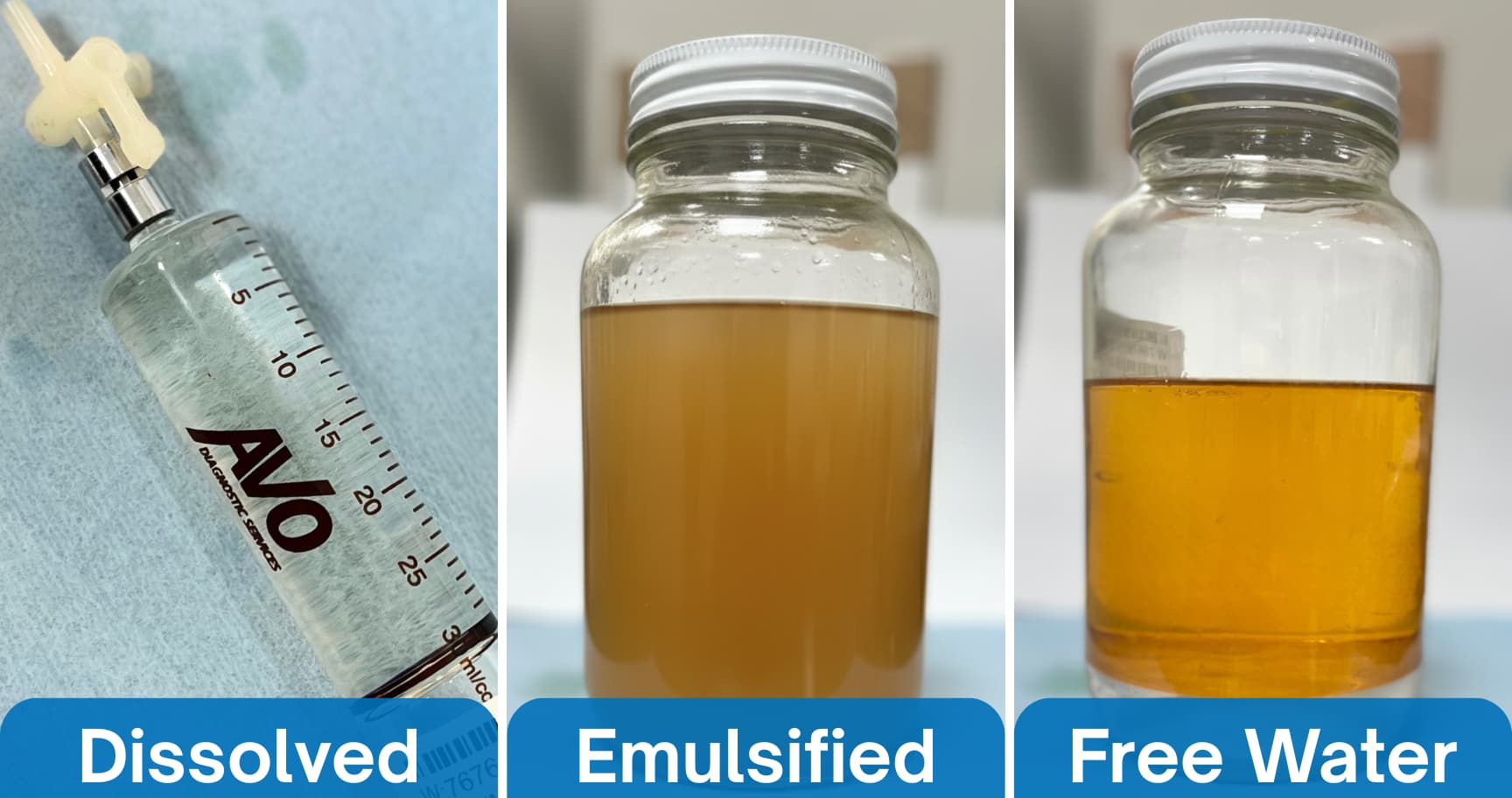
Below are examples of samples received in the lab. While dissolved water may pass visual inspection, emulsified and free water often fail.
|
Why might my results show low moisture but fail the dielectric breakdown test?
- At AVO labs, we measure moisture directly from the syringe to accurately reflect the conditions inside the transformer.
- The dielectric breakdown sample, however, is taken from a bottle. This sample can absorb moisture from the air or be affected by improper sampling, potentially showing a higher moisture content than what is actually inside the transformer.
Proactive Support for Your Transformers
AVO Diagnostics is here to help you understand your test results, recommend solutions, and guide you on next steps to prevent costly issues. Contact us today to ensure peace of mind.